The Junto
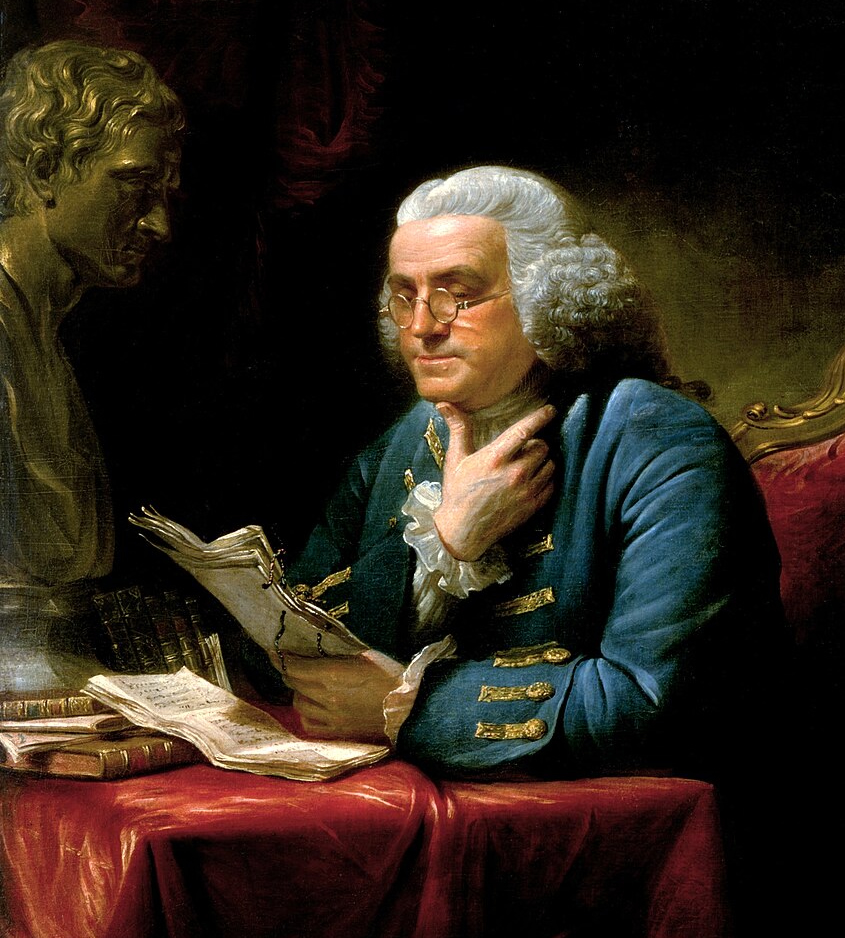
Benjamin Franklin was a clever chap, I am told. Apparently he would start reading a book and then actually finish it. Unlike how I read the first 80 pages of his biography by Walter Isaacson and stopped to read something else. But in those 80 pages I learned of a clever little thing he did (virtually all of the things he did in life were clever) which was the creation of a club for intellectual discourse, debate, and gossip. Their club consisted of all types of tradesmen and artisans and gained the nickname The Leather Apron Club accordingly. Meeting on Friday evenings in the year of our Lord 1727 and onward, they would set out to discuss matters of philosophy, civil concerns, business, what was then called natural philosophy (today called science), law, and politics. Discussions were lubricated with the aid of a list of questions that were read in series and answered by the first man to stand. The questions were can be read here.
Today this seems like an utterly foreign notion: that we might meet up with real people and talk about philosophy and whatnot. Instead, if we are lucky, we are in a the boys group-chat where we wait for someone to send a link to a news article like a bunch of ambush-predators and take this opportunity to bait others with into a highbrow battle-of-wits. This just isn’t good enough because at best the perpetrators are in a debate in short form texts, but more likely just posturing against and insulting other.
Plus, nobody wants to sound like Jaden Smith.
We could go through a whole genealogy of the better mediums of this type of information exchange from the past: Ancient Greeks stopping at a cross-roads to talk about fascism or whatever, the Junto, the Royal Society, the Republic of Letters, early 21st century mailing lists, internet forums. But unfortunately I have left this weeks submission again short of time.
Allow me at least to touch on The Republic of Letters, a phrase coined initially in Latin ("respublica litteraria") by a Venetian humanities scholar called Francesco Barbaro in the 1400s. This include such famous written discourses as existed between Fermat and Pascal (this created the field of probability). René Descartes and Princess Elisabeth of Bohemi discussed mind vs body dualism as mention in Is Thy Robot Strange. And so many more of the west’s great works and inventions came about through the exchange of letters and essays. The term has since come to include all of the publicly available letters between intellectuals from the early middle ages to the 1800s, whence it pretty much broke down along side polymathy. Then intellectual discourse broke down into finer channels and narrower scopes; eventually reaching internet slop sites devoid of personal interaction almost completely. Or thought for that matter.
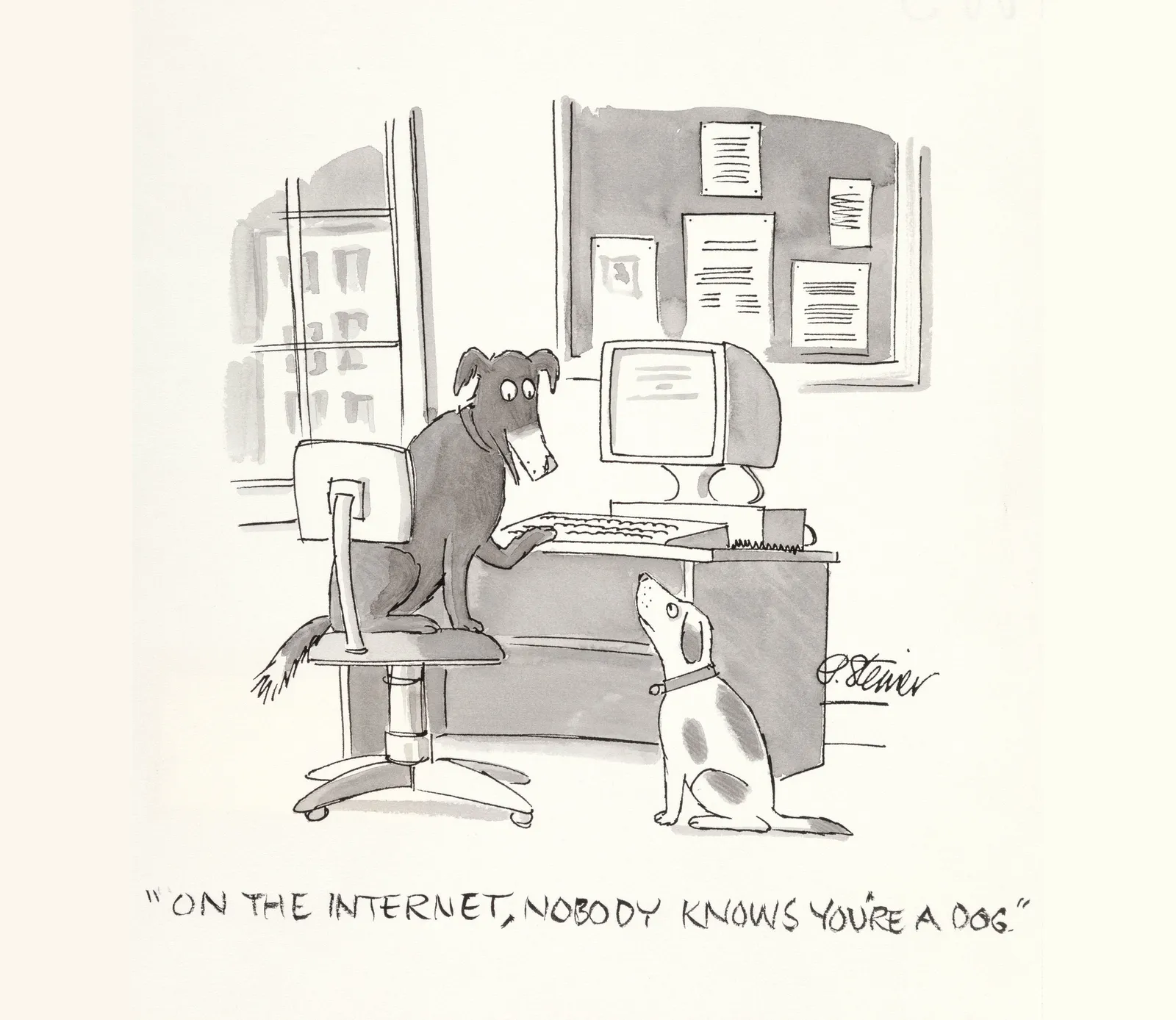
It is hard to gauge the trend of something where the ones life span is but a thin slice. Yet it feels to me that we are hurtling down the slope of a graph somehow plotted to show aggregate quality multi-directional intellectual discourse across all mediums. And it feels correlated with the centralization of social media platforms with their attention capture optimization incentives. It feel correlated with the slopifying of all things digital. What then is a renaissance man to do then, if he is to engage with others on the topics he wants to know? Ah-hem… This?
Esquirery Essay Club
What is this? You may be reading this on frogmeme.org, after clicking a link to same from my social media profiles or email signiture, but know that the intended audience is Esquirery Essay Club. Inspired by uncle Benjamin and by a series of novels I listened to by Neal Stephenson well named The Baroque Cycle. And further by a sense that the gap between production and consumption of ‘content’ would do well to be shortened — the idea of an essay club was floated to my nearest and dearest. So now we each take the time to write a minimum of 500 words per week on a subject of our choosing.
This forces us to come to resolve into words a complete picture of our topic each week and submit it to the group for review and questions. You may be thinking an essay club of less than ten folks is a far cry from in person meetings with Benjamin Franklin or an exchange between Newton and Leibniz. And you may be right, but sure isn’t it a step in the right direction? Didn’t / wouldn’t it get you off your phone for an evening? Not to mention how long form writing will help forge your brain into thinking slower, deeper, and richer thoughts. I mean, writing essays has been the base of assessing most subjects education since, well, since the beginning of education. And that is for good reasons.